What happens to skip waste?
So, what exactly happens to skip waste once it leaves your property? Here’s a look behind the scenes.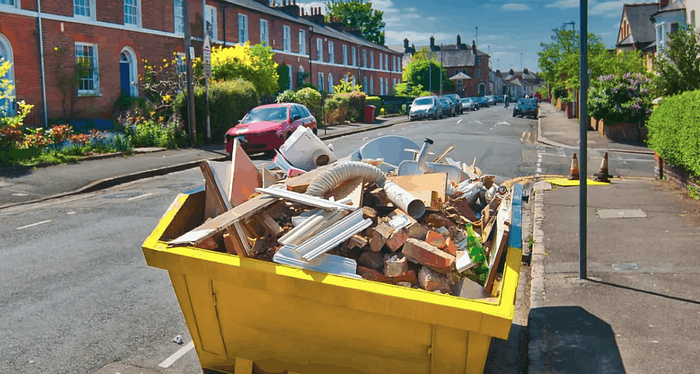
If you’ve ever wondered what happens to skip waste after it’s whisked away, you’re not alone. Skip hire isn’t just about taking rubbish off your hands; it’s also a part of a larger process dedicated to responsible waste management and environmental protection.
Collection and Sorting
Once a skip is filled and collected, it’s taken to a local waste transfer station. Here, the waste goes through a meticulous sorting process, separating different types of materials for either recycling or safe disposal. Specialized machinery and skilled workers sift through the waste, identifying and segregating items like wood, metal, plastics, and general household rubbish
Recycling and Reuse
One of the primary goals is to recycle as much waste as possible. Different types of materials are sent to recycling facilities where they’re broken down and repurposed. Here’s a quick overview of what happens to some common items:
Metal: Recycled and melted down for reuse in industries like construction or automotive manufacturing.
Wood: Often chipped and turned into mulch, animal bedding, or even biofuel for energy production.
Plastics: Sorted, cleaned, and recycled into new plastic products, minimizing the need for raw materials.
Green Waste: If garden waste is part of your skip load, it’s composted or processed into organic soil conditioners.
By recycling these materials, skip hire companies contribute to reducing landfill waste and supporting a circular economy, where products are continually reused rather than discarded.
Safe Disposal of Non-Recyclables
While most waste can be recycled, there are items that must be disposed of more cautiously. General household waste, contaminated items, and materials like plasterboard or hazardous substances are handled separately to ensure safety and environmental compliance. These non-recyclables are disposed of in designated landfills or processed to minimize environmental impact.
The Environmental Impact
With the UK’s increasing focus on sustainability, skip hire companies now play a vital role in diverting waste from landfills. Some companies boast recycling rates as high as 90%, ensuring that the majority of waste collected finds a new purpose. This approach not only reduces landfill waste but also lessens the demand for raw materials, cutting down on energy consumption and greenhouse gas emissions.
Final Thought
So, what happens to skip waste? Through careful sorting, recycling, and responsible disposal, skip hire companies are doing more than just collecting rubbish — they’re actively supporting environmental sustainability. Next time you fill a skip, you can feel confident knowing your waste will be managed with the planet in mind.
